Backyard Walk In Chicken Run
Highlighted under: Global Cuisine
I’ve always dreamed of having my own chickens, and building a backyard walk-in chicken run has made that dream a reality. This space not only gives my feathered friends room to roam freely, but it also keeps them safe from predators. I love how it blends into my garden landscape while providing easy access for feeding and cleaning. Trust me, with just a few tools and some basic materials, you can create a cozy and secure environment for your chickens, making it feel like a mini farm right in your backyard.
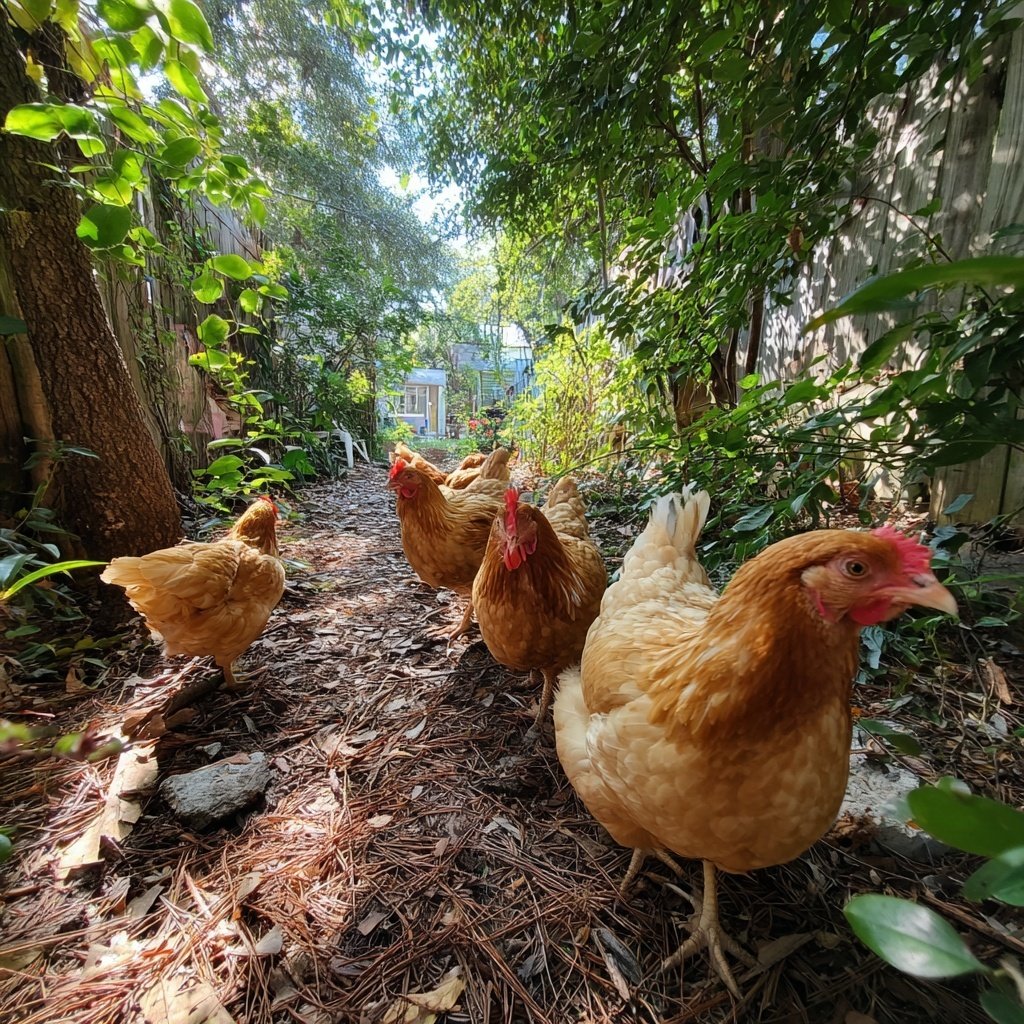
Building a walk-in chicken run has been one of the most rewarding projects I've undertaken in my backyard. I learned that using sturdy materials like galvanized wire mesh and treated wood is essential for longevity and safety. During construction, I made sure to incorporate ample space for nesting boxes and perches, which keeps my chickens comfortable and happy.
What surprised me most was how much adding plants around the run has enriched their environment. It not only provides shade but also encourages natural foraging behavior. Monitoring their activity inside the run has given me insights into their social structure, which is fascinating to observe!
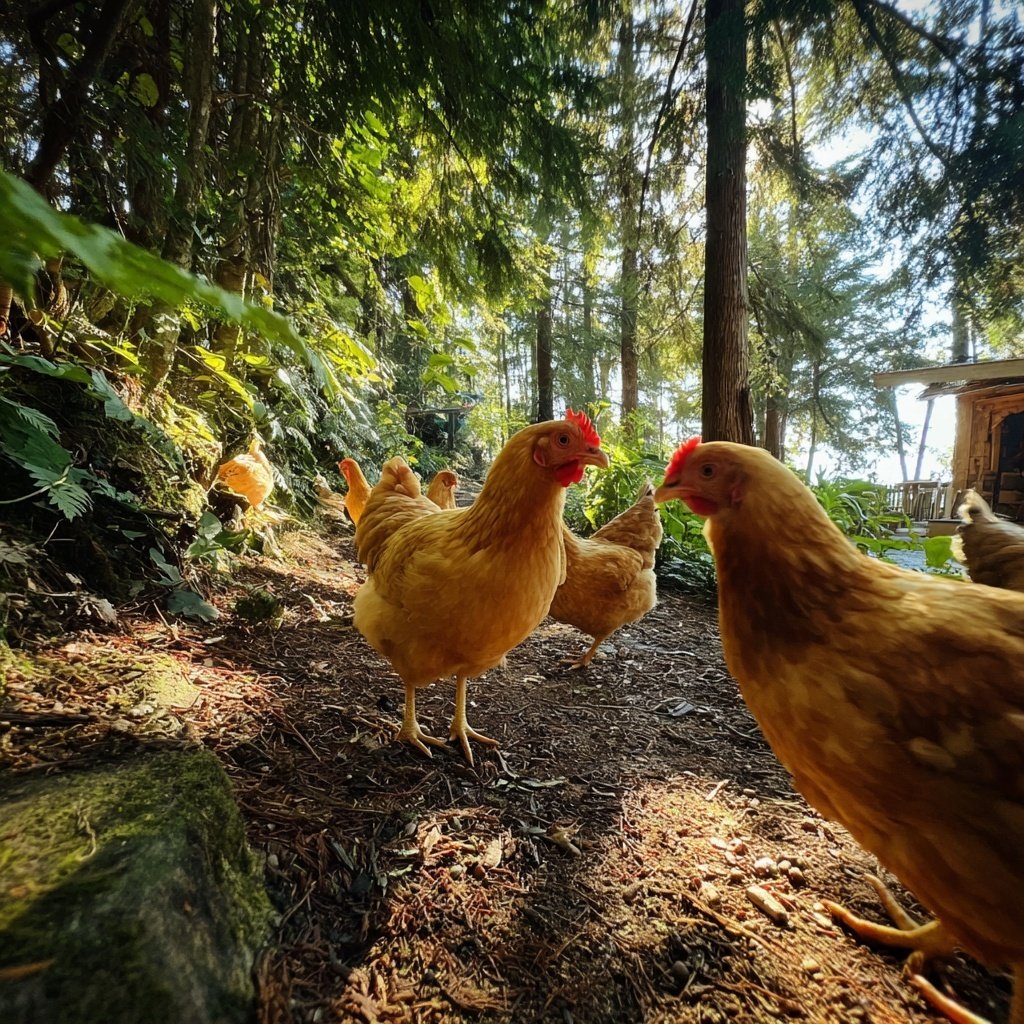
Why You'll Love This Chicken Run
- Provides a spacious and secure environment for your chickens
- Easy access for daily feeding and cleaning
- Enhances the aesthetic of your yard with natural elements
Building the Structure
When constructing your backyard walk-in chicken run, it’s crucial to choose sturdy materials that can withstand weather changes and potential predator attacks. I recommend using galvanized steel hardware cloth over standard chicken wire, as it offers better security against raccoons and foxes. Aim for a frame made from treated lumber, ensuring it's tall enough for you to comfortably walk into—around six feet is ideal. This height not only adds convenience but also keeps the run comfortable for maintenance tasks.
It's essential to design the run with proper drainage to prevent water accumulation, which can create muddy conditions detrimental to your chickens’ health. When laying the foundation, consider sloping the ground slightly away from the center. Adding a layer of gravel or sand at the base can also aid with drainage and minimize odors. I usually check my setup after heavy rains; a well-draining run will stay dry and prevent any fungal growth which could affect your flock.
Making it Comfortable
Providing a cozy environment for your chickens goes beyond just space. Incorporate areas for shelter and shade within the run to protect them during extreme weather. I often use repurposed pallets to create shaded spots, which the chickens seem to love for cooling off. Using natural elements like logs or branches can promote their natural scratching behaviors and encourage exercise.
Bedding is another crucial aspect of your chicken run; I suggest using straw or wood shavings as they help control odors and provide comfortable footing. About two to four inches of bedding should be enough to absorb waste and moisture. Remember to refresh this material regularly—ideally, every couple of weeks—to maintain hygiene and avoid attracting pests.
Enhancing Security and Aesthetics
Security is paramount when raising chickens, so reinforcing the perimeter of the run is essential. Burying the fencing at least twelve inches below ground level can deter digging predators. Additionally, consider installing a secure latch system for the entrance door that can't be easily opened by raccoons or other wildlife. I’ve found that a simple slide bolt latch, paired with a lock, provides peace of mind.
To blend your chicken run into the garden, consider planting native flowers or herbs alongside it. Not only do these plants enhance aesthetics, but they can also attract beneficial insects. For a natural fence aesthetic, climbing plants can be trained along the run's walls to create a visually appealing enclosure while providing natural cover and enrichment for your flock.
Pro Tips
- Make sure to secure the base of the run to prevent digging predators. Regularly check for wear and tear to ensure your chickens remain safe and comfortable.
Maintenance Tips
Regular maintenance of your chicken run is crucial for the well-being of your flock. Make it a habit to check for any weaknesses in the fencing or infrastructure weekly. Inspecting for signs of wear, especially after storms, helps catch issues early, preventing any breaches in security. I also perform a deep clean monthly, which includes changing bedding, scrubbing feeding containers, and checking for pests.
Feeding and water containers should be cleaned regularly—aim for at least once a week to prevent mold and algae build-up. Ensure that water remains fresh and free of debris; using elevated waterers can minimize mess. Additionally, I find it helpful to review your flock’s food storage every few weeks to ensure you’re not losing any feed to pests.
Seasonal Adjustments
As seasons change, so does your chicken run's needs. In winter, ensure your structure has adequate ventilation to prevent moisture buildup inside, which can lead to frostbite in chickens. I install plastic or tarp windbreaks to shield them from harsh winds while still allowing airflow. Additionally, providing extra bedding during colder months can help keep chickens warm.
In summer, remember to create shaded areas to provide relief from heat. You can use larger tarps or even plant fast-growing shade trees around the perimeter to offer natural shade. Frequent checks on your chickens during hot days are vital, as heat stress can affect their health rapidly.
Predator-Proofing for Peace of Mind
Regardless of your area, it’s wise to implement multiple layers of security for your chicken run. Installing a roof can provide protection from aerial predators like hawks and owls, so consider using sturdy wire mesh. If you worry about hawk attacks, I recommend covering at least part of the run with netting to ensure a safe environment.
Additionally, consider using motion-activated lights or sounds around your chicken run, deterring nighttime predators. I installed a few of these systems, and they provide an extra layer of reassurance, allowing me to relax knowing my flock is protected from potential threats while they roam freely in their secure haven.
Questions About Recipes
→ How much space do I need for a chicken run?
A good rule of thumb is at least 10 square feet per chicken.
→ What materials are best for building a chicken run?
Using treated wood for the frame and galvanized wire mesh for the sides will provide durability and safety.
→ How can I prevent predators from getting into my chicken run?
Burying the wire mesh a foot deep around the perimeter and securing the roof can deter most ground and aerial predators.
→ Do I need to clean the chicken run regularly?
Yes, it's important to clean out waste and debris regularly to keep your chickens healthy and happy.
Backyard Walk In Chicken Run
Created by: Brianna Tate
Recipe Type: Global Cuisine
Skill Level: Intermediate
Final Quantity: 1 run
Extra Tips
- Make sure to secure the base of the run to prevent digging predators. Regularly check for wear and tear to ensure your chickens remain safe and comfortable.
Nutritional Breakdown (Per Serving)
- Calories: 0 kcal