Chocolate Cake With Oil
Highlighted under: Dessert Delights
I love making this Chocolate Cake With Oil because it's incredibly moist and flavorful. Using oil instead of butter creates a tender crumb that just melts in your mouth. The simplicity of the recipe allows me to whip it up quickly, whether it’s for a special occasion or just a cozy weekend dessert. With rich cocoa and a touch of vanilla, every bite is pure bliss. I always find myself going back for seconds, and I’m certain you will too!
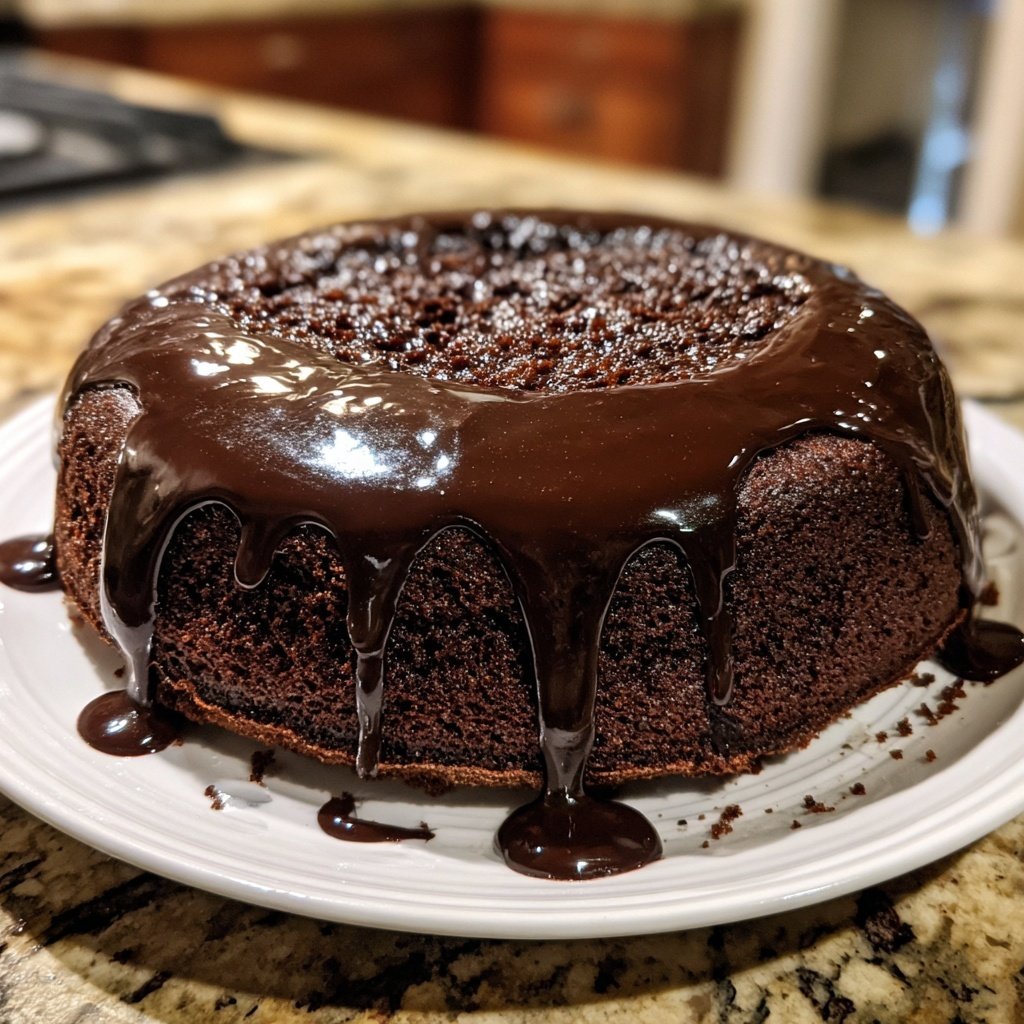
When I first tried using oil in my chocolate cake instead of butter, I was pleasantly surprised by how light and moist the cake turned out. I particularly enjoy the deep chocolate flavor that truly shines through. Adding a bit of milk enhances the texture, ensuring every slice is rich and satisfying.
For a special touch, I often incorporate a hint of orange zest into the batter. It adds a surprising freshness that perfectly complements the chocolate. Trust me, this small detail elevates the flavor profile and makes each bite indulgent.
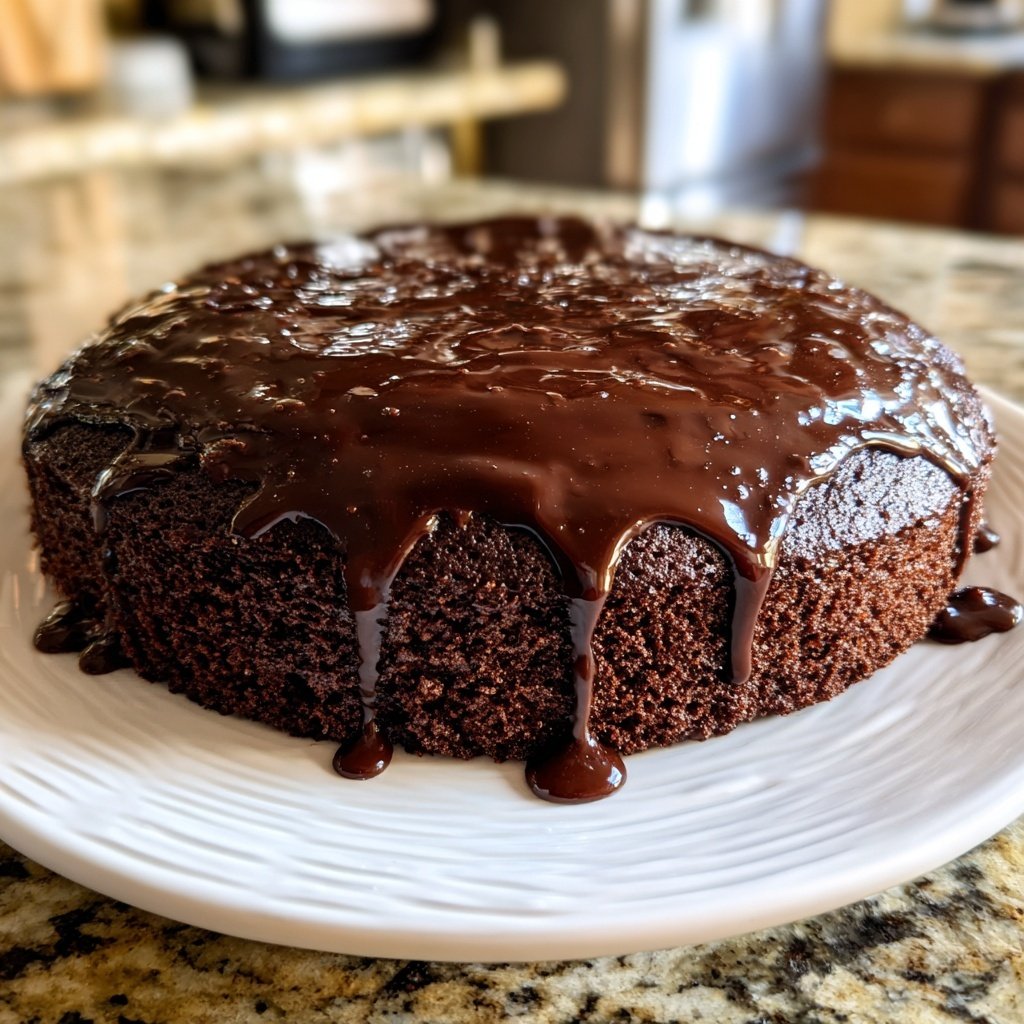
Why You'll Love This Recipe
- Rich chocolate flavor paired with fresh orange zest
- Creamy texture that melts in your mouth
- Perfect for celebrations or as a sweet indulgence
The Importance of Oil in the Cake
Using oil in this chocolate cake instead of butter is not just a matter of convenience; it significantly impacts the texture. Oil creates a moist crumb that lasts longer than butter-based cakes, which tend to dry out faster as they cool. This is particularly beneficial for anyone wanting to enjoy the cake over a few days, as it remains tender and luscious, perfect for sharing or treating yourself.
Additionally, since oil is liquid at room temperature, it helps the cake maintain its moisture even if it's a day or two old. I recommend using a neutral oil, such as vegetable or canola, so the rich chocolate flavor remains the star of the show. For a unique twist, try substituting part of the vegetable oil with a flavored oil, such as coconut or hazelnut, to add subtle yet delightful notes.
Frosting Tips and Variations
While the cake is delicious on its own, the optional frosting elevates it to a whole new level. The key to a smooth and creamy frosting is to ensure your butter is softened at room temperature. This allows for easy incorporation with the cocoa and powdered sugar, resulting in a glossy, spreadable consistency. If you find your frosting too thick, a teaspoon of milk at a time can help achieve the desired texture.
For those looking to switch things up, consider experimenting with different flavoring extracts in the frosting. Instead of vanilla, almond or peppermint can provide a fun twist and complement the chocolate. You can also add a pinch of salt to enhance the sweetness or mix in finely grated orange zest for a refreshing citrus note that pairs beautifully with chocolate.
Storing and Serving Your Cake
Storing this chocolate cake properly is crucial to maintaining its moistness. After the cake has cooled completely and is frosted, cover it loosely with plastic wrap or place it in an airtight container. This will protect it from drying out. It can be stored at room temperature for up to three days or in the refrigerator for about a week. However, for the absolute best flavor and texture, bring it back to room temperature before serving.
When it comes to serving, dusting the top of the cake with powdered sugar or cocoa powder right before slicing adds an elegant touch. You can also pair each slice with a scoop of vanilla ice cream or a dollop of whipped cream for extra indulgence. For a more festive presentation, consider garnishing with fresh berries or a drizzle of chocolate sauce – it's the perfect way to impress your guests during special occasions!
Ingredients
Ingredients
For the Cake
- 1 ¾ cups all-purpose flour
- 1 ½ cups granulated sugar
- ¾ cup unsweetened cocoa powder
- 1 ½ tsp baking powder
- 1 ½ tsp baking soda
- 1 tsp salt
- 2 large eggs
- 1 cup vegetable oil
- 1 cup milk
- 2 tsp vanilla extract
- 1 cup boiling water
For the Frosting (optional)
- ½ cup unsalted butter, softened
- 2/3 cup unsweetened cocoa powder
- 3 cups powdered sugar
- 1/3 cup milk
- 1 tsp vanilla extract
Instructions
Instructions
Prepare the Batter
Preheat your oven to 350°F (175°C). Grease and flour two 9-inch round cake pans. In a large bowl, whisk together the flour, sugar, cocoa powder, baking powder, baking soda, and salt. Add the eggs, oil, milk, and vanilla, mixing until smooth. Gradually stir in the boiling water.
Bake the Cake
Pour the batter evenly into the prepared pans. Bake for 30 minutes, or until a toothpick inserted comes out clean. Allow the cakes to cool in the pans for 10 minutes, then transfer to a wire rack to cool completely.
Make the Frosting
In a medium bowl, beat the butter until creamy. Gradually add the cocoa powder and powdered sugar, alternating with milk, mixing until smooth. Stir in the vanilla extract.
Frost the Cake
Once the cakes are completely cooled, spread a layer of frosting on top of one cake layer. Place the second layer on top and frost the top and sides of the entire cake.
Pro Tips
- For an extra layer of flavor, add a teaspoon of orange zest to the batter. To enhance the chocolate experience, try serving with fresh berries or a scoop of vanilla ice cream.
Key Ingredients Explained
Each ingredient in this chocolate cake plays a critical role in creating the perfect texture and flavor. The combination of baking powder and baking soda ensures the cake rises beautifully, while the cocoa powder provides that rich, deep taste. I suggest always sifting the cocoa powder and flour together to avoid any lumps and achieve a smooth batter, which influences the final cake's appearance.
The milk not only adds moisture but also enhances the cake's overall density and richness. For a non-dairy version, you can substitute with almond, soy, or oat milk, which will maintain the cake's moistness. If you desire a slightly denser texture, you might consider using buttermilk instead, which adds an extra layer of flavor as well.
Troubleshooting Common Issues
Sometimes cakes can fall flat, and that can be a disappointment. Ensure you measure the baking powder and baking soda accurately, as too much or too little can affect how well the cake rises. Also, avoid over-mixing the batter once the flour is added; this can lead to a denser texture. Mix until just combined for the softest cake possible.
If you notice that your cake tops are domed and uneven after baking, you can use a serrated knife to level them off gently. This creates a stable base for frosting and stacking layers. And remember, patience is key—allow the cakes to cool completely before frosting them, which allows for neater and cleaner slices when serving.
Questions About Recipes
→ Can I use whole wheat flour instead of all-purpose flour?
Yes, you can use whole wheat flour, but the texture may be denser.
→ How can I store leftover cake?
Store the cake in an airtight container at room temperature for up to 3 days or in the refrigerator for up to a week.
→ Can this recipe be made as cupcakes?
Absolutely! Divide the batter into cupcake liners and bake for about 18-20 minutes.
→ What can I substitute for eggs?
You can use 1/4 cup of unsweetened applesauce or a flaxseed egg for each egg.
Chocolate Cake With Oil
Created by: Brianna Tate
Recipe Type: Dessert Delights
Skill Level: Beginner
Final Quantity: 12 servings
What You'll Need
For the Cake
- 1 ¾ cups all-purpose flour
- 1 ½ cups granulated sugar
- ¾ cup unsweetened cocoa powder
- 1 ½ tsp baking powder
- 1 ½ tsp baking soda
- 1 tsp salt
- 2 large eggs
- 1 cup vegetable oil
- 1 cup milk
- 2 tsp vanilla extract
- 1 cup boiling water
For the Frosting (optional)
- ½ cup unsalted butter, softened
- 2/3 cup unsweetened cocoa powder
- 3 cups powdered sugar
- 1/3 cup milk
- 1 tsp vanilla extract
How-To Steps
Preheat your oven to 350°F (175°C). Grease and flour two 9-inch round cake pans. In a large bowl, whisk together the flour, sugar, cocoa powder, baking powder, baking soda, and salt. Add the eggs, oil, milk, and vanilla, mixing until smooth. Gradually stir in the boiling water.
Pour the batter evenly into the prepared pans. Bake for 30 minutes, or until a toothpick inserted comes out clean. Allow the cakes to cool in the pans for 10 minutes, then transfer to a wire rack to cool completely.
In a medium bowl, beat the butter until creamy. Gradually add the cocoa powder and powdered sugar, alternating with milk, mixing until smooth. Stir in the vanilla extract.
Once the cakes are completely cooled, spread a layer of frosting on top of one cake layer. Place the second layer on top and frost the top and sides of the entire cake.
Extra Tips
- For an extra layer of flavor, add a teaspoon of orange zest to the batter. To enhance the chocolate experience, try serving with fresh berries or a scoop of vanilla ice cream.
Nutritional Breakdown (Per Serving)
- Calories: 380 kcal
- Total Fat: 26g
- Saturated Fat: 15g
- Cholesterol: 195mg
- Sodium: 85mg
- Total Carbohydrates: 32g
- Dietary Fiber: 3g
- Sugars: 24g
- Protein: 6g