High Protein Salmon Meal
Highlighted under: Light & Nourishing
Enjoy a delicious and nutritious high protein salmon meal, perfect for a healthy dinner option.
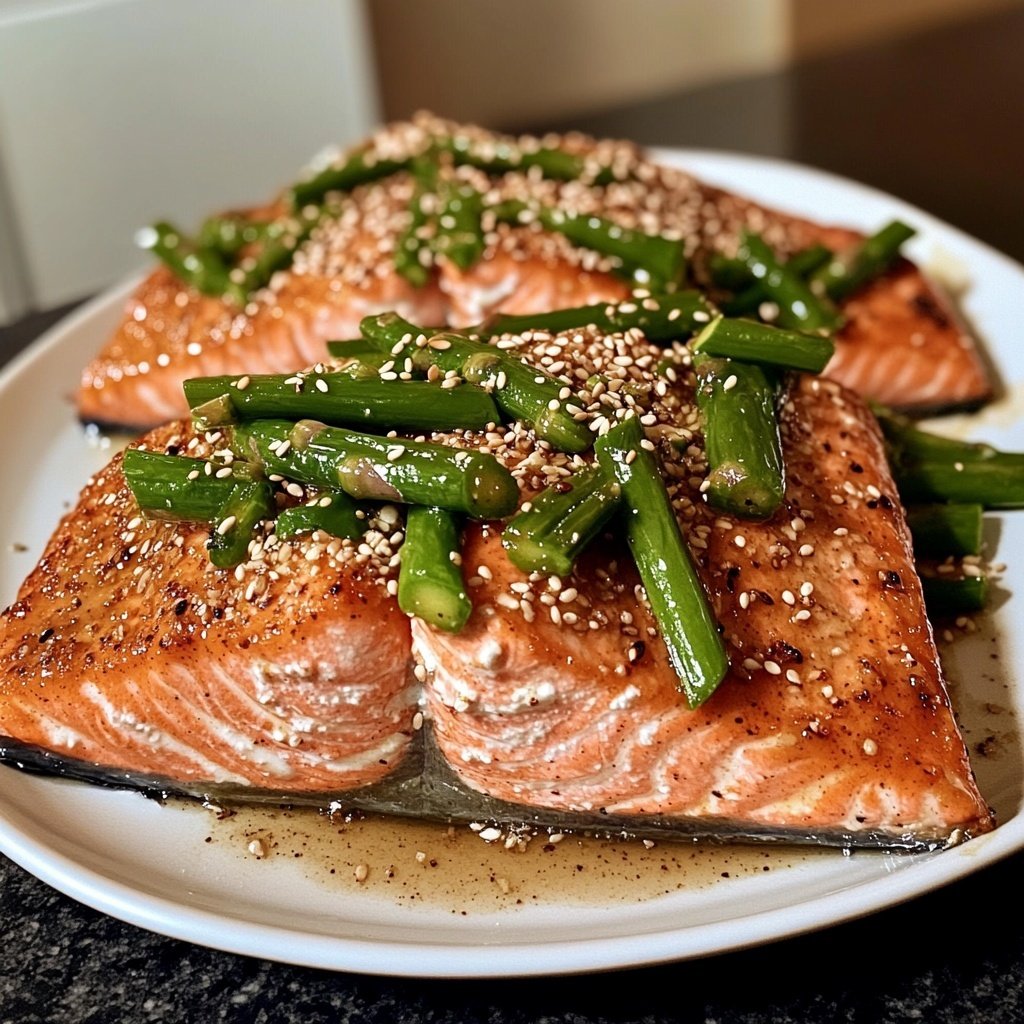
This high protein salmon meal is not just nutritious but also packed with flavor. Salmon is rich in omega-3 fatty acids and pairs wonderfully with a variety of sides.
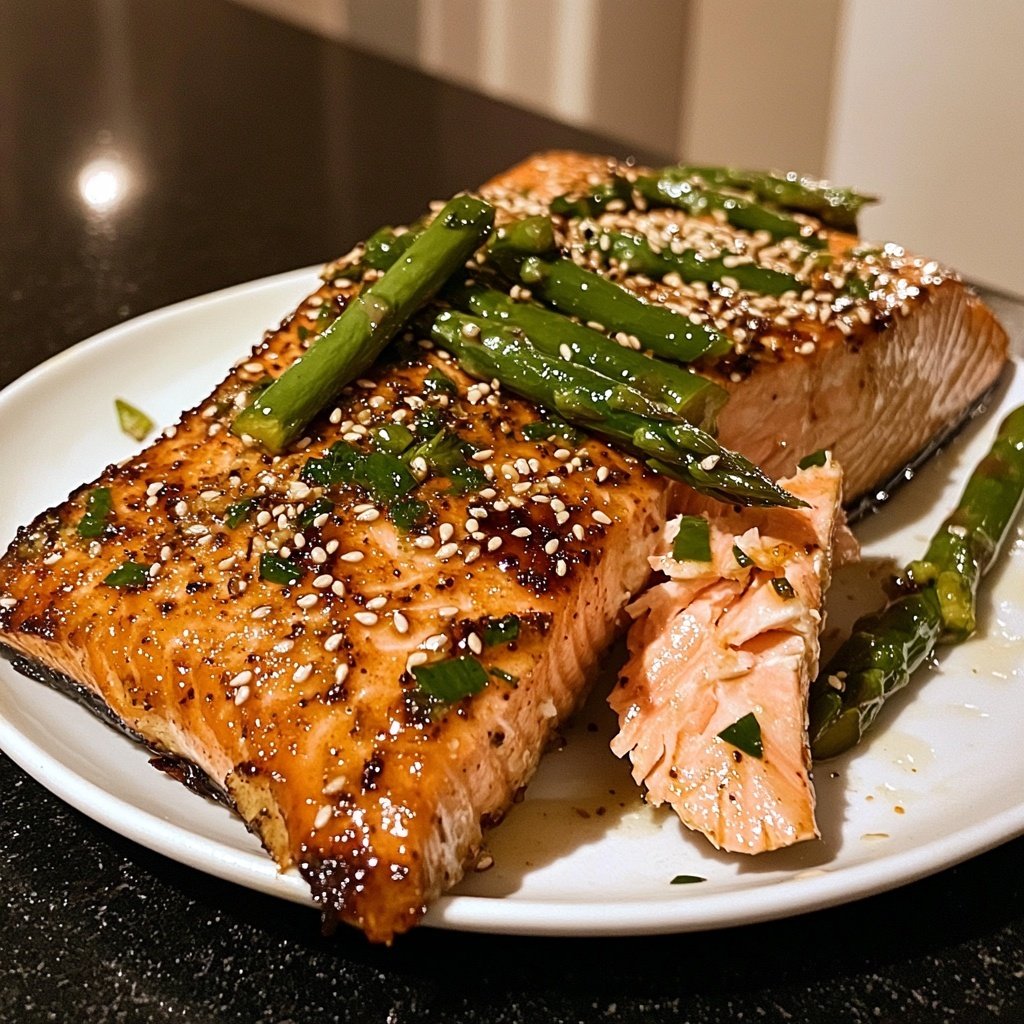
Why You'll Love This Recipe
- Packed with lean protein to fuel your body
- Deliciously seasoned with fresh herbs
- Quick and easy to prepare for busy weeknights
Nutritional Benefits of Salmon
Salmon is renowned for being an excellent source of high-quality protein, which is essential for muscle repair and growth. Each serving of salmon provides a considerable amount of protein, making it a favorite among fitness enthusiasts and health-conscious individuals alike. Additionally, salmon is rich in omega-3 fatty acids, which promote heart health and reduce inflammation throughout the body.
Beyond its protein content, salmon is packed with essential vitamins and minerals, including vitamin B12, selenium, and vitamin D. These nutrients play vital roles in energy production, immune function, and bone health. Including salmon in your diet can contribute significantly to your overall nutrient intake, helping you maintain a balanced and healthy lifestyle.
Cooking Techniques for Perfectly Cooked Salmon
Cooking salmon can be a delightful culinary adventure, and mastering the right techniques can lead to perfectly cooked fillets every time. One popular method is pan-searing, which creates a beautifully crisp skin while keeping the salmon moist and tender inside. Ensure your skillet is adequately heated before adding the salmon, and avoid overcrowding the pan to achieve that golden crust.
Another excellent technique is baking salmon in the oven. This method allows for even cooking and can be easily paired with various seasonings and sides. Wrapping the salmon in foil with herbs and lemon slices can help lock in moisture and enhance flavors. Experimenting with different cooking methods can elevate your salmon dishes and keep mealtime exciting.
Pairing Suggestions for a Complete Meal
Completing your high protein salmon meal with nutritious sides can enhance both flavor and health benefits. Asparagus, with its distinct taste and vibrant color, is a fantastic companion for salmon. Rich in vitamins A, C, and K, asparagus adds essential nutrients while complementing the salmon's richness. You can also try pairing salmon with other vegetables like broccoli or Brussels sprouts for a colorful plate.
Quinoa is an excellent grain choice to serve alongside salmon. Not only is it high in protein, but it also provides a good source of fiber and essential amino acids. This combination of salmon and quinoa creates a balanced meal that satisfies hunger and supports overall health. Consider adding a light vinaigrette or fresh herbs to the quinoa for added flavor and a refreshing touch.
Ingredients
For the Salmon
- 4 salmon fillets
- 2 tablespoons olive oil
- 2 cloves garlic, minced
- 1 lemon, zested and juiced
- Salt and pepper to taste
- Fresh dill for garnish
For the Sides
- 2 cups asparagus, trimmed
- 1 cup quinoa, rinsed
- 2 cups vegetable broth
- Salt and pepper to taste
Feel free to customize the sides according to your preference!
Instructions
Prepare the Quinoa
In a medium saucepan, combine the quinoa and vegetable broth. Bring to a boil, then reduce the heat to low, cover, and simmer for about 15 minutes or until the liquid is absorbed. Fluff with a fork and set aside.
Cook the Salmon
While the quinoa is cooking, heat olive oil in a large skillet over medium heat. Season the salmon fillets with salt, pepper, minced garlic, lemon zest, and juice. Place the salmon skin-side down in the skillet and cook for about 5-7 minutes on each side, or until cooked through.
Sauté the Asparagus
In the same skillet, add the asparagus and sauté for about 5 minutes until tender-crisp. Season with salt and pepper.
Serve
Plate the quinoa, top with the salmon fillets, and add the sautéed asparagus. Garnish with fresh dill and serve warm.
Enjoy your healthy and protein-packed meal!
Pro Tips
- For added flavor, marinate the salmon in lemon juice and herbs for 30 minutes before cooking.
Storage Tips for Leftovers
If you have any leftovers from your high protein salmon meal, storing them correctly is essential to maintain freshness and flavor. Allow the salmon and sides to cool to room temperature before transferring them to airtight containers. Store them in the refrigerator, where they can last for up to three days. Reheating can be done in the microwave or oven, ensuring the salmon remains moist and tender.
For longer storage, consider freezing the salmon and sides. Wrap each portion tightly in plastic wrap followed by aluminum foil, or use freezer-safe containers. Frozen salmon can last up to three months. When you're ready to enjoy your meal again, thaw it in the refrigerator overnight before reheating.
Customizing Your Salmon Dish
One of the best things about cooking salmon is its versatility. You can easily customize the flavors to suit your taste preferences. Experiment with different marinades, such as teriyaki, honey mustard, or a spicy Cajun rub for a twist on the traditional preparation. Adding citrus, like lime or orange, can also brighten the dish and enhance its natural flavors.
Feel free to switch up the sides as well. Instead of asparagus, try serving salmon with a fresh salad, roasted sweet potatoes, or a medley of seasonal vegetables. The possibilities are endless, and this adaptability makes salmon a fantastic choice for a variety of occasions, from casual dinners to festive gatherings.
Questions About Recipes
→ Can I use frozen salmon?
Yes, just ensure to thaw it completely before cooking.
→ What can I substitute for quinoa?
You can use brown rice or couscous as a substitute.
→ How do I know when the salmon is done?
The salmon should flake easily with a fork and have an internal temperature of 145°F (63°C).
→ Can I add other vegetables?
Absolutely! Feel free to add any seasonal vegetables you enjoy.
High Protein Salmon Meal
Created by: Brianna Tate
Recipe Type: Light & Nourishing
Skill Level: Intermediate
Final Quantity: 4 servings
What You'll Need
For the Salmon
- 4 salmon fillets
- 2 tablespoons olive oil
- 2 cloves garlic, minced
- 1 lemon, zested and juiced
- Salt and pepper to taste
- Fresh dill for garnish
For the Sides
- 2 cups asparagus, trimmed
- 1 cup quinoa, rinsed
- 2 cups vegetable broth
- Salt and pepper to taste
How-To Steps
In a medium saucepan, combine the quinoa and vegetable broth. Bring to a boil, then reduce the heat to low, cover, and simmer for about 15 minutes or until the liquid is absorbed. Fluff with a fork and set aside.
While the quinoa is cooking, heat olive oil in a large skillet over medium heat. Season the salmon fillets with salt, pepper, minced garlic, lemon zest, and juice. Place the salmon skin-side down in the skillet and cook for about 5-7 minutes on each side, or until cooked through.
In the same skillet, add the asparagus and sauté for about 5 minutes until tender-crisp. Season with salt and pepper.
Plate the quinoa, top with the salmon fillets, and add the sautéed asparagus. Garnish with fresh dill and serve warm.
Extra Tips
- For added flavor, marinate the salmon in lemon juice and herbs for 30 minutes before cooking.
Nutritional Breakdown (Per Serving)
- Calories: 450 kcal
- Total Fat: 22g
- Saturated Fat: 4g
- Cholesterol: 70mg
- Sodium: 150mg
- Total Carbohydrates: 30g
- Dietary Fiber: 5g
- Sugars: 2g
- Protein: 38g