Korean Soups and Stews
Highlighted under: Global Cuisine
Explore the rich and diverse world of Korean soups and stews, perfect for warming your soul and tantalizing your taste buds.
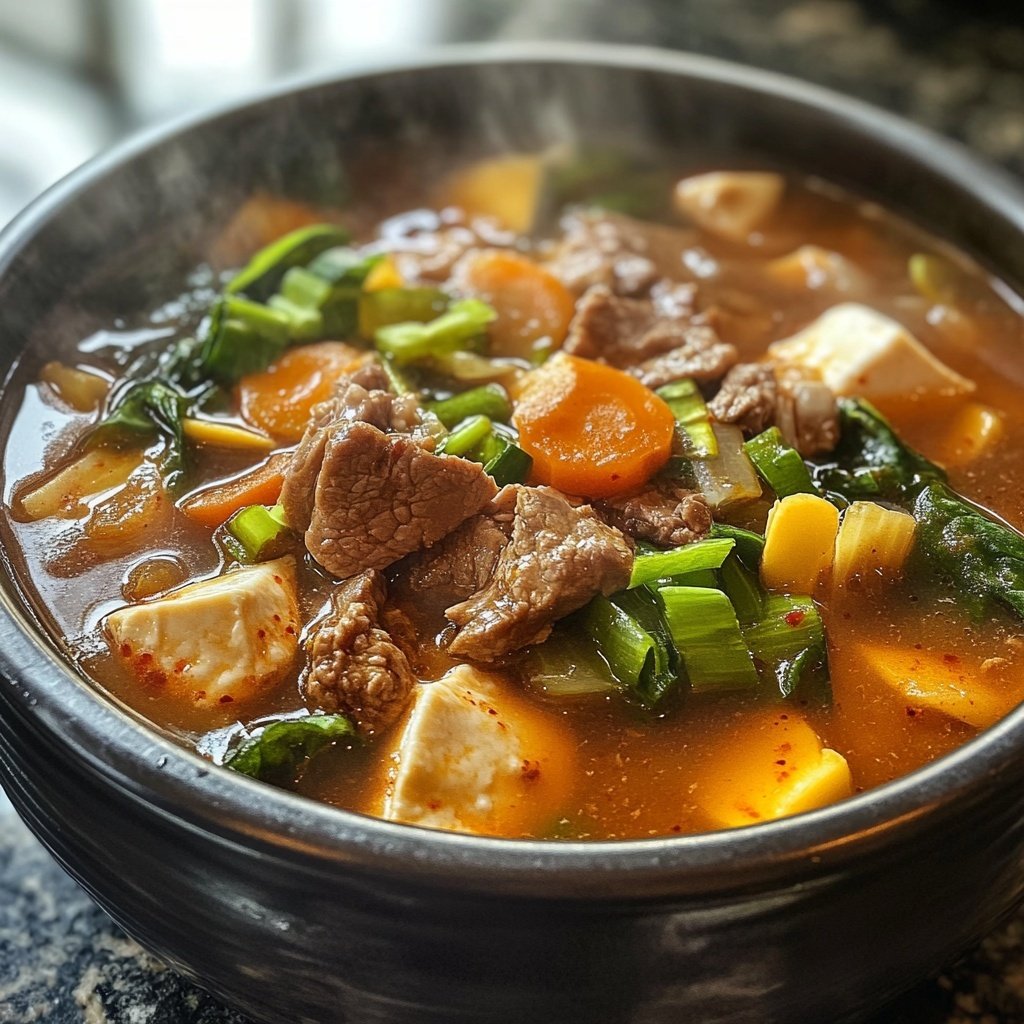
Korean soups and stews are not just meals but experiences that bring friends and family together. Each dish offers a unique flavor profile, often highlighting ingredients like tofu, vegetables, and various meats, all simmered to perfection.
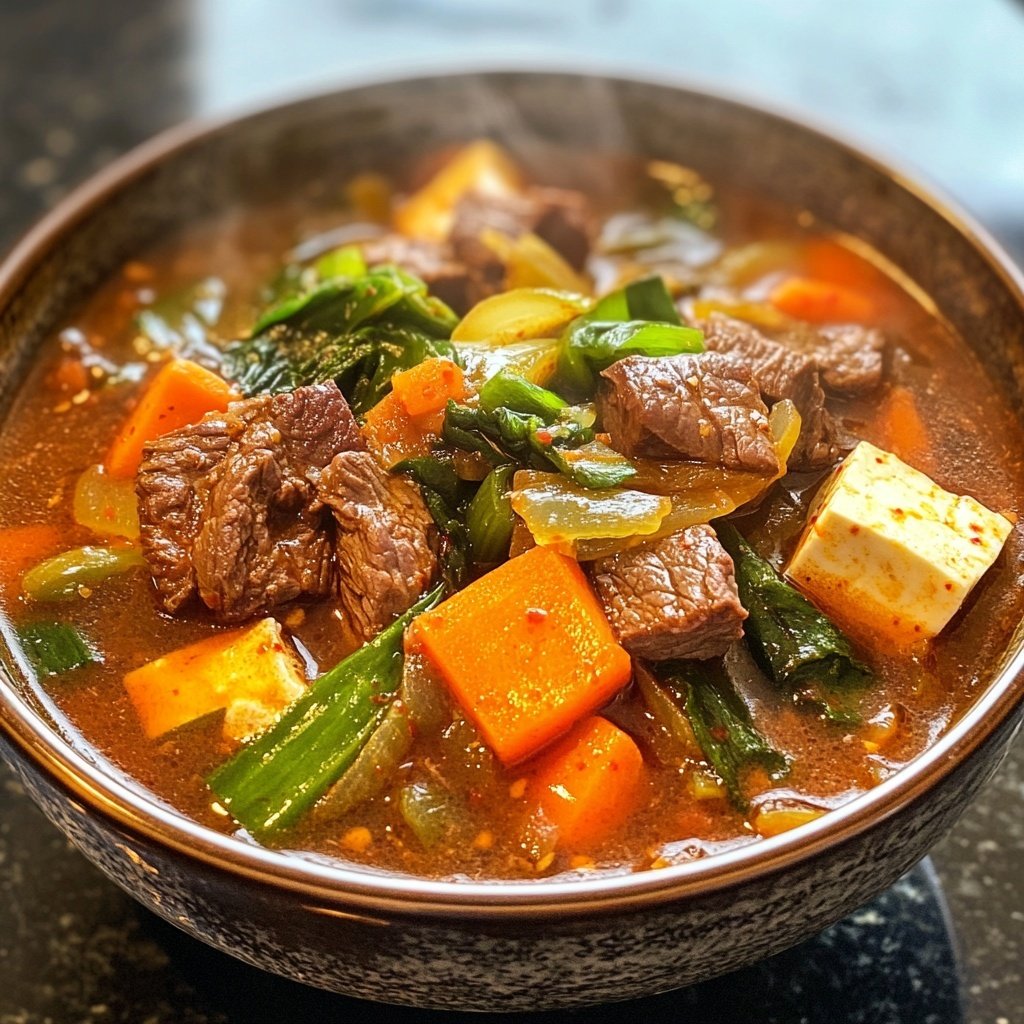
Reasons to Love Korean Soups and Stews
- Bold and rich flavors that warm the heart
- Versatile recipes that can be customized to your taste
- Perfect for sharing with loved ones on cold days
The Heart of Korean Cuisine
Korean soups and stews are more than just meals; they represent the very essence of Korean hospitality and culture. Often served as part of a larger spread, these dishes bring friends and family together around the table, fostering a sense of community and warmth. Each bowl is a celebration of flavors, textures, and aromas that reflect Korea's rich culinary heritage.
The use of fresh ingredients, combined with traditional cooking techniques, ensures that each dish is packed with nutrients and flavor. From the earthy notes of gochujang to the subtle sweetness of vegetables, Korean soups and stews boast a depth of flavor that is both comforting and invigorating. These dishes are perfect for any season, especially during the colder months when a steaming bowl can truly lift the spirit.
Versatility in Every Bowl
One of the remarkable aspects of Korean soups and stews is their versatility. Home cooks can easily adapt recipes to suit personal preferences or dietary restrictions. Whether you prefer a hearty beef stew or a lighter vegetable soup, there’s a recipe for everyone. Substituting ingredients allows for creativity while still honoring traditional flavors.
These dishes also lend themselves well to meal prep, as they often taste even better the next day, allowing for delicious leftovers. You can experiment with different proteins, vegetables, and spice levels, creating a unique dish that reflects your own taste while still capturing the essence of Korean cuisine.
A Journey of Flavor
Cooking Korean soups and stews is not just about the end product; it’s an experience that involves engaging with the ingredients and the cooking process. The preparation of these dishes can be meditative, allowing you to immerse yourself in the aromas and sizzle of sautéing ingredients. As the stew simmers, the anticipation builds, promising a meal that is both nourishing and satisfying.
Moreover, the act of sharing these soups and stews with loved ones can create lasting memories. Whether it’s a family gathering, a cozy dinner with friends, or a simple weeknight meal, the communal aspect of enjoying these dishes helps strengthen bonds and create cherished moments around the dining table.
Ingredients
For Korean Stews
- 200g beef or chicken, cubed
- 1 onion, sliced
- 2 garlic cloves, minced
- 1 carrot, sliced
- 1 potato, cubed
- 2 cups water
- 2 tablespoons gochujang (Korean chili paste)
- 1 tablespoon soy sauce
- Salt and pepper to taste
- Green onions for garnish
For Korean Soups
- 200g tofu, cubed
- 1 zucchini, sliced
- 1 cup mushrooms, sliced
- 4 cups vegetable broth
- 1 tablespoon sesame oil
- 1 tablespoon soy sauce
- 1 teaspoon gochugaru (Korean chili flakes)
- Salt to taste
Feel free to adjust the ingredients based on your personal preference!
Instructions
Prepare the Ingredients
Gather all the ingredients and prepare them by slicing, cubing, or mincing as necessary.
Cook the Stew
In a large pot, heat some oil and add the meat. Sauté until browned. Add the onions, garlic, carrot, and potato, stirring for a few minutes.
Simmer
Add water, gochujang, and soy sauce to the pot. Bring it to a boil, then reduce heat and let it simmer for about 30 minutes.
Prepare the Soup
In another pot, heat sesame oil and add tofu, zucchini, and mushrooms. Stir-fry for a few minutes before adding vegetable broth.
Season the Soup
Add soy sauce and gochugaru to the soup. Let it simmer for about 15 minutes. Season with salt.
Serve
Serve the stew and soup hot, garnished with green onions. Enjoy!
Pair with rice or kimchi for a complete meal!
Pro Tips
- For an extra kick, add more gochugaru to the soup. These dishes taste even better the next day!
Nutritional Benefits
Korean soups and stews are not only delicious but also packed with nutritional goodness. Ingredients like vegetables, tofu, and lean meats provide essential vitamins and minerals, making these dishes a wholesome choice. The use of gochujang and gochugaru not only adds flavor but also contains beneficial compounds that can boost metabolism and enhance overall health.
Additionally, the broth in these soups is rich in collagen, especially when using bone broth, which can support joint health and skin elasticity. The combination of ingredients offers a balanced meal that is low in calories yet high in nutrients, making it an excellent option for those seeking healthy eating choices.
Serving Suggestions
When serving Korean soups and stews, consider pairing them with a side of steamed rice, which complements the flavors and absorbs the delicious broth. Kimchi, a staple in Korean cuisine, also makes a fantastic accompaniment, providing a spicy and tangy contrast that elevates the meal.
For a complete dining experience, you can serve a selection of banchan, or side dishes, which can include pickled vegetables, seasoned greens, or small portions of protein. This not only enhances the meal but also allows guests to enjoy a variety of flavors and textures, making every bite an adventure.
Questions About Recipes
→ Can I use other types of meat?
Absolutely! You can substitute beef with pork or chicken based on your preference.
→ Is it possible to make this vegetarian?
Yes! Simply use vegetable broth and skip the meat, using more vegetables and tofu instead.
→ How long can I store the leftovers?
Leftovers can be stored in the refrigerator for up to 3 days. Reheat thoroughly before serving.
→ Can I freeze these dishes?
Yes, both soups and stews freeze well. Just make sure to store them in airtight containers.
Korean Soups and Stews
Created by: Brianna Tate
Recipe Type: Global Cuisine
Skill Level: Intermediate
Final Quantity: 4 servings
What You'll Need
For Korean Stews
- 200g beef or chicken, cubed
- 1 onion, sliced
- 2 garlic cloves, minced
- 1 carrot, sliced
- 1 potato, cubed
- 2 cups water
- 2 tablespoons gochujang (Korean chili paste)
- 1 tablespoon soy sauce
- Salt and pepper to taste
- Green onions for garnish
For Korean Soups
- 200g tofu, cubed
- 1 zucchini, sliced
- 1 cup mushrooms, sliced
- 4 cups vegetable broth
- 1 tablespoon sesame oil
- 1 tablespoon soy sauce
- 1 teaspoon gochugaru (Korean chili flakes)
- Salt to taste
How-To Steps
Gather all the ingredients and prepare them by slicing, cubing, or mincing as necessary.
In a large pot, heat some oil and add the meat. Sauté until browned. Add the onions, garlic, carrot, and potato, stirring for a few minutes.
Add water, gochujang, and soy sauce to the pot. Bring it to a boil, then reduce heat and let it simmer for about 30 minutes.
In another pot, heat sesame oil and add tofu, zucchini, and mushrooms. Stir-fry for a few minutes before adding vegetable broth.
Add soy sauce and gochugaru to the soup. Let it simmer for about 15 minutes. Season with salt.
Serve the stew and soup hot, garnished with green onions. Enjoy!
Extra Tips
- For an extra kick, add more gochugaru to the soup. These dishes taste even better the next day!
Nutritional Breakdown (Per Serving)
- Calories: 450 kcal
- Total Fat: 20g
- Saturated Fat: 5g
- Cholesterol: 60mg
- Sodium: 700mg
- Total Carbohydrates: 40g
- Dietary Fiber: 5g
- Sugars: 6g
- Protein: 25g