Seasonal & Festive Thanksgiving Herb Stuffed Turkey
Highlighted under: Holiday Table Classics
As Thanksgiving approaches, I find myself eagerly anticipating the delicious warmth of a home-cooked meal, particularly a beautifully stuffed turkey. Each year, I experiment with herbs and seasonings to create the perfect blend that encapsulates the essence of the season. This year, I decided to stuff my turkey with a rich mixture of fresh herbs and earthy flavors that truly elevate the dish. The result is a tender, flavorful turkey that will impress your family and friends, making it the star of your Thanksgiving table.
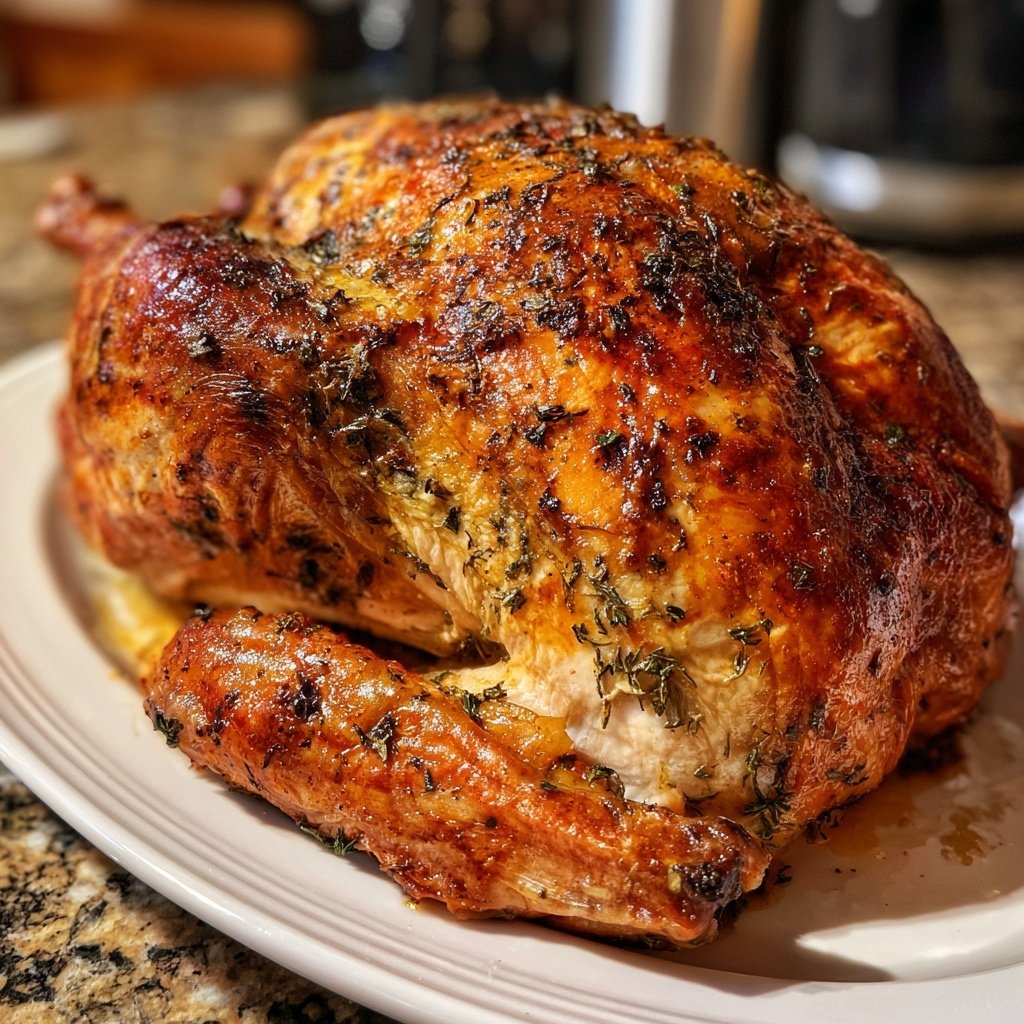
Every time I prepare my Thanksgiving turkey, I love to think back to the first time I tried making one on my own. It was a mix of excitement and apprehension, but with the right herbs and a bit of patience, it transformed into a centerpiece that brought everyone together. This year, I experimented by adding rosemary, sage, and thyme to the stuffing, and it made a world of difference!
Through trial and error, I discovered that allowing the turkey to rest for at least 20 minutes before carving ensures juicy slices instead of dry ones. Keeping the stuffing simple yet flavorful is key, so using a mix of fresh ingredients really enhances that traditional Thanksgiving flavor that we all cherish. I can’t wait for you to try this recipe!
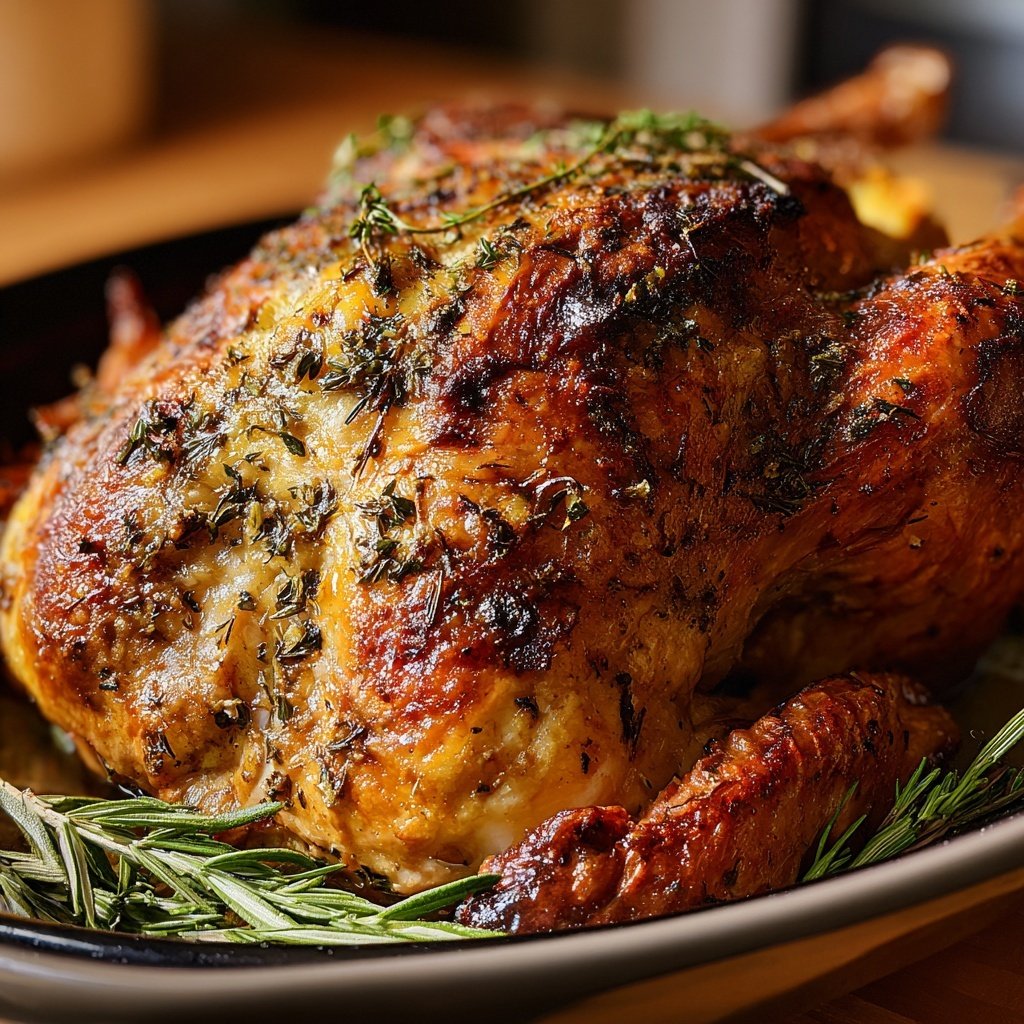
Why You'll Love This Recipe
- Aromatic blend of fresh herbs that enhance the turkey's flavor
- Juicy and tender meat that melts in your mouth
- Perfect centerpiece for family gatherings and holiday celebrations
Choosing the Right Turkey
Selecting the right turkey is crucial for achieving a juicy, flavorful dish. I recommend opting for a heritage or organic turkey if available; these varieties typically have a richer flavor and better texture. A turkey between 10-12 pounds is ideal for roasting, ensuring it cooks evenly while still providing plenty of servings for a gathering. Remember to thaw your turkey in the refrigerator for about 24 hours for every 4-5 pounds if it’s frozen, allowing for optimal texture and flavor development.
When preparing your turkey, be sure to remove the giblets and neck from the cavity. This step is essential as leaving any internal parts can cause uneven cooking and potentially lead to an unpleasant taste. After patting the turkey dry with paper towels, rubbing softened butter under the skin not only adds flavor but also helps achieve a gorgeous golden-brown finish as it roasts.
Mastering the Stuffing
Creating a well-balanced stuffing is about combining the right ingredients. The use of fresh herbs like rosemary, sage, and thyme significantly enhances the flavor profile of the turkey. When sautéing the onion and celery in butter, allow them to cook until they are translucent and fragrant, which usually takes about 5-7 minutes. This step softens the vegetables and helps to release their natural sweetness, contributing to a more complex flavor in the stuffing.
If you’re looking to customize the stuffing, consider using gluten-free bread cubes or whole grain for a different texture. The addition of dried cranberries and toasted walnuts not only provides a delightful contrast in flavors but also takes the stuffing to the next level with a touch of sweetness and crunch. If you prefer a moister stuffing, don’t hesitate to add an extra splash of chicken broth while mixing; the stuffing should feel moist but not soggy when packed into the turkey.
Tips for Perfect Roasting
Roasting the turkey to perfection requires attention to details. After placing the turkey in the oven, it’s crucial to monitor its temperature. Using a meat thermometer inserted into the thickest part of the breast ensures your turkey reaches the safe internal temperature of 165°F (74°C). Basting every 30 minutes with the pan juices not only keeps the turkey moist but also enhances its flavor with the drippings as they caramelize.
If you notice the skin darkening too quickly, covering the turkey with foil provides a simple solution that prevents burning while allowing the rest of the turkey to cook through. Additionally, if you’d like to create a crispier skin, uncover the turkey for the last 30-45 minutes of roasting. Letting the turkey rest for at least 20 minutes after cooking helps the juices redistribute, resulting in moist, flavorful meat when you carve.
Ingredients
For the Turkey
- 1 whole turkey (10-12 lbs)
- 1 cup unsalted butter, softened
- Salt and pepper to taste
- 2 cups chicken broth
For the Stuffing
- 5 cups bread cubes
- 1 cup onion, diced
- 1 cup celery, diced
- 1/2 cup fresh parsley, chopped
- 2 tablespoons fresh rosemary, chopped
- 2 tablespoons fresh sage, chopped
- 2 tablespoons fresh thyme, chopped
- 1/2 cup dried cranberries (optional)
- 1/4 cup toasted walnuts, chopped (optional)
- 2 cups chicken broth
Instructions
Steps
Prepare the Turkey
Preheat your oven to 350°F (175°C). Remove the turkey's giblets and neck. Pat the turkey dry with paper towels and season it inside and out with salt and pepper. Rub the softened butter all over the skin.
Make the Stuffing
In a large skillet over medium heat, sauté the onion and celery until soft. Add the bread cubes, herbs, cranberries, and walnuts if using. Drizzle with chicken broth and toss until well combined.
Stuff the Turkey
Gently pack the stuffing into the turkey cavity, ensuring it’s not too tight. Place any remaining stuffing in a greased baking dish.
Roast the Turkey
Place the stuffed turkey breast-side up on a rack in a roasting pan. Pour chicken broth around it to keep it moist. Roast for about 2.5 hours, basting every 30 minutes with the pan juices.
Check Temperature
Use a meat thermometer to ensure the turkey reaches 165°F (74°C) in the thickest part of the breast and stuffing. If the skin gets too dark, cover with foil.
Rest and Serve
Once done, remove from the oven and let the turkey rest for at least 20 minutes before carving. Serve with your favorite sides!
Pro Tips
- For extra flavor, try adding chopped apples or sausages to the stuffing mix. Always ensure your turkey is thoroughly thawed for even cooking.
Storing Leftovers
After your Thanksgiving feast, storing leftovers properly is essential to maintain their flavor and texture. Allow the turkey to cool down for no more than two hours before transferring it to an airtight container. You can refrigerate leftover turkey for up to four days or freeze it for up to three months. When freezing, consider slicing the turkey into portions for more convenient reheating, and include a bit of the cooking juices to maintain moisture during the thawing process.
For the stuffing, store it separately from the turkey to avoid sogginess. It can also be refrigerated for up to four days or frozen for three months. To reheat, I recommend using the oven at 350°F (175°C) until warmed through, stirring occasionally for even heating. If stuffed turkey needs reheating, place it in a covered dish to prevent drying out.
Serving Suggestions
This herb stuffed turkey pairs beautifully with traditional accompaniments like cranberry sauce and gravy. For a colorful presentation, consider serving it with roasted seasonal vegetables like Brussels sprouts and sweet potatoes, which complement the turkey's savory flavors. Don't forget a side of creamy mashed potatoes, which are perfect for soaking up the delicious gravy.
For those looking to impress further, a fresh herb garnish can elevate the dish’s presentation. A simple sprinkle of freshly chopped parsley or thyme on the finished turkey adds both color and a touch of freshness. Serving it on a large platter surrounded by seasonal fruits and herbs not only enhances the visual appeal but makes it a delightful centerpiece for your Thanksgiving table.
Possible Variations
Feel free to experiment with different herbs and ingredients in your stuffing. Thyme, sage, and rosemary are traditional, but consider adding a hint of citrus zest or apple chunks for a refreshing twist. If you seek a little heat, a pinch of red pepper flakes can elevate the flavor profile and add a surprising kick.
For a twist on the classic turkey, you could brine it before roasting for added moisture and tenderness. A simple brine of water, salt, and sugar can maximize flavor absorption, making the meat even juicier. If time permits, try brining for at least 12 hours, ensuring to rinse and dry the turkey thoroughly before applying seasoning or butter.
Questions About Recipes
→ Can I prepare the stuffing a day in advance?
Absolutely! You can prepare it a day ahead and refrigerate it. Just pack it loosely into the turkey before roasting.
→ How long should I cook the turkey per pound?
A general rule of thumb is about 13 minutes per pound at 350°F (175°C), but always use a thermometer to check doneness.
→ What if the stuffing is not cooked by the time the turkey is done?
You can take out the stuffing and finish cooking it separately in a baking dish if the turkey is ready but the stuffing isn't.
→ Is it necessary to brine the turkey before cooking?
Brining is not mandatory, but it can help keep the turkey moist and flavorful. Consider brining for 12-24 hours if you have time.
Seasonal & Festive Thanksgiving Herb Stuffed Turkey
Created by: Brianna Tate
Recipe Type: Holiday Table Classics
Skill Level: Intermediate
Final Quantity: 8 servings
What You'll Need
For the Turkey
- 1 whole turkey (10-12 lbs)
- 1 cup unsalted butter, softened
- Salt and pepper to taste
- 2 cups chicken broth
For the Stuffing
- 5 cups bread cubes
- 1 cup onion, diced
- 1 cup celery, diced
- 1/2 cup fresh parsley, chopped
- 2 tablespoons fresh rosemary, chopped
- 2 tablespoons fresh sage, chopped
- 2 tablespoons fresh thyme, chopped
- 1/2 cup dried cranberries (optional)
- 1/4 cup toasted walnuts, chopped (optional)
- 2 cups chicken broth
How-To Steps
Preheat your oven to 350°F (175°C). Remove the turkey's giblets and neck. Pat the turkey dry with paper towels and season it inside and out with salt and pepper. Rub the softened butter all over the skin.
In a large skillet over medium heat, sauté the onion and celery until soft. Add the bread cubes, herbs, cranberries, and walnuts if using. Drizzle with chicken broth and toss until well combined.
Gently pack the stuffing into the turkey cavity, ensuring it’s not too tight. Place any remaining stuffing in a greased baking dish.
Place the stuffed turkey breast-side up on a rack in a roasting pan. Pour chicken broth around it to keep it moist. Roast for about 2.5 hours, basting every 30 minutes with the pan juices.
Use a meat thermometer to ensure the turkey reaches 165°F (74°C) in the thickest part of the breast and stuffing. If the skin gets too dark, cover with foil.
Once done, remove from the oven and let the turkey rest for at least 20 minutes before carving. Serve with your favorite sides!
Extra Tips
- For extra flavor, try adding chopped apples or sausages to the stuffing mix. Always ensure your turkey is thoroughly thawed for even cooking.
Nutritional Breakdown (Per Serving)
- Calories: 400 kcal
- Total Fat: 25g
- Saturated Fat: 12g
- Cholesterol: 140mg
- Sodium: 600mg
- Total Carbohydrates: 18g
- Dietary Fiber: 2g
- Sugars: 3g
- Protein: 30g