Chicken Run Ideas For Small Backyards
Highlighted under: Comfort on a Plate
I love finding creative ways to keep my chickens happy and healthy, especially in our small backyard. Over time, we've experimented with various layouts and ideas for chicken runs that maximize space while providing plenty of enrichment. From vertical gardening options to movable runs, there are so many possibilities! I want to share some of our favorite chicken run ideas that have transformed our space into a thriving environment for our feathered friends.
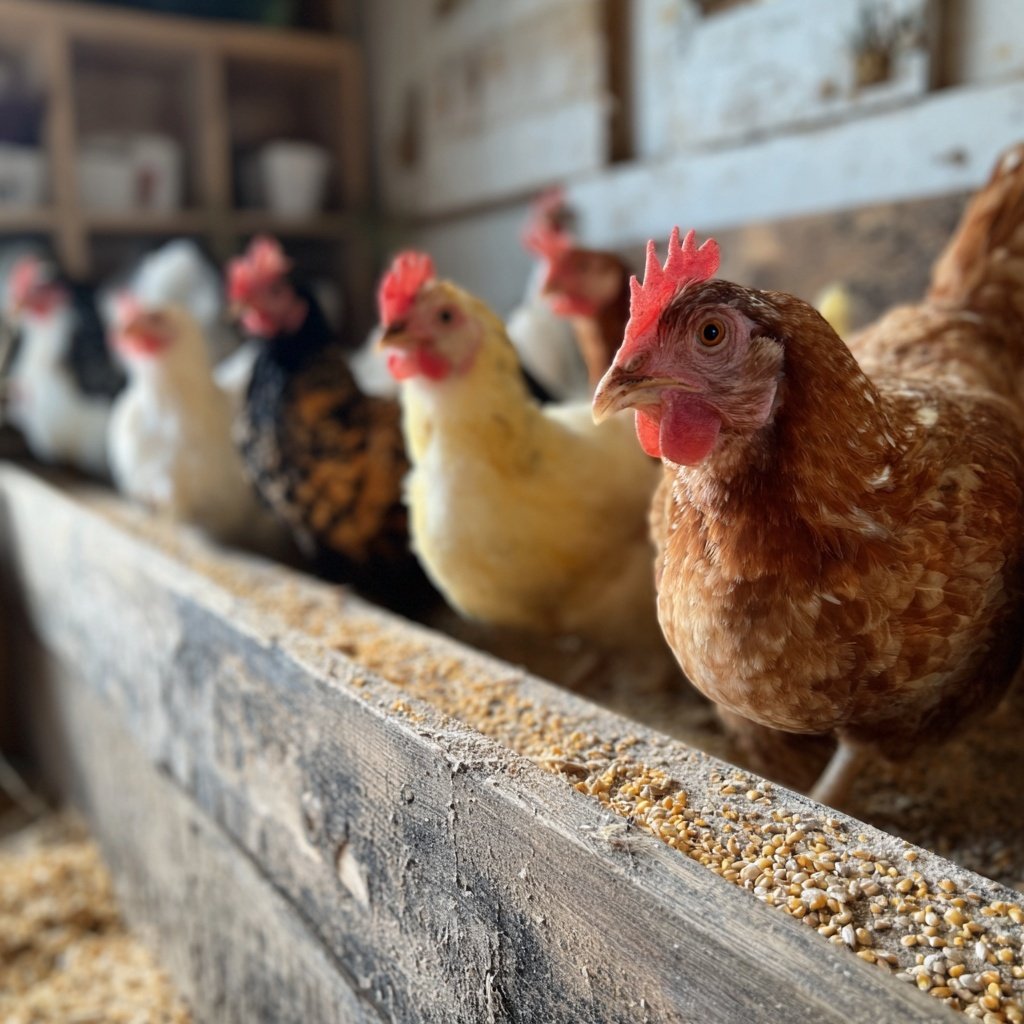
When we first started keeping chickens, I quickly realized that having a good chicken run was crucial for their well-being. Initially, we just had a simple fenced-off area, but soon enough, I saw that they needed more space to roam and explore. After several trials, I discovered that introducing elements like perches and shaded areas made a significant difference in their happiness.
One of my favorite ideas has been creating vertical spaces for them to climb. Using simple wooden pallets, I built a multi-level run that not only maximized our yard but also provided unique nooks for the chickens to explore. This not only keeps them entertained but also helps prevent boredom-related issues. If you're working with a small space, don't underestimate the potential of vertical thinking!
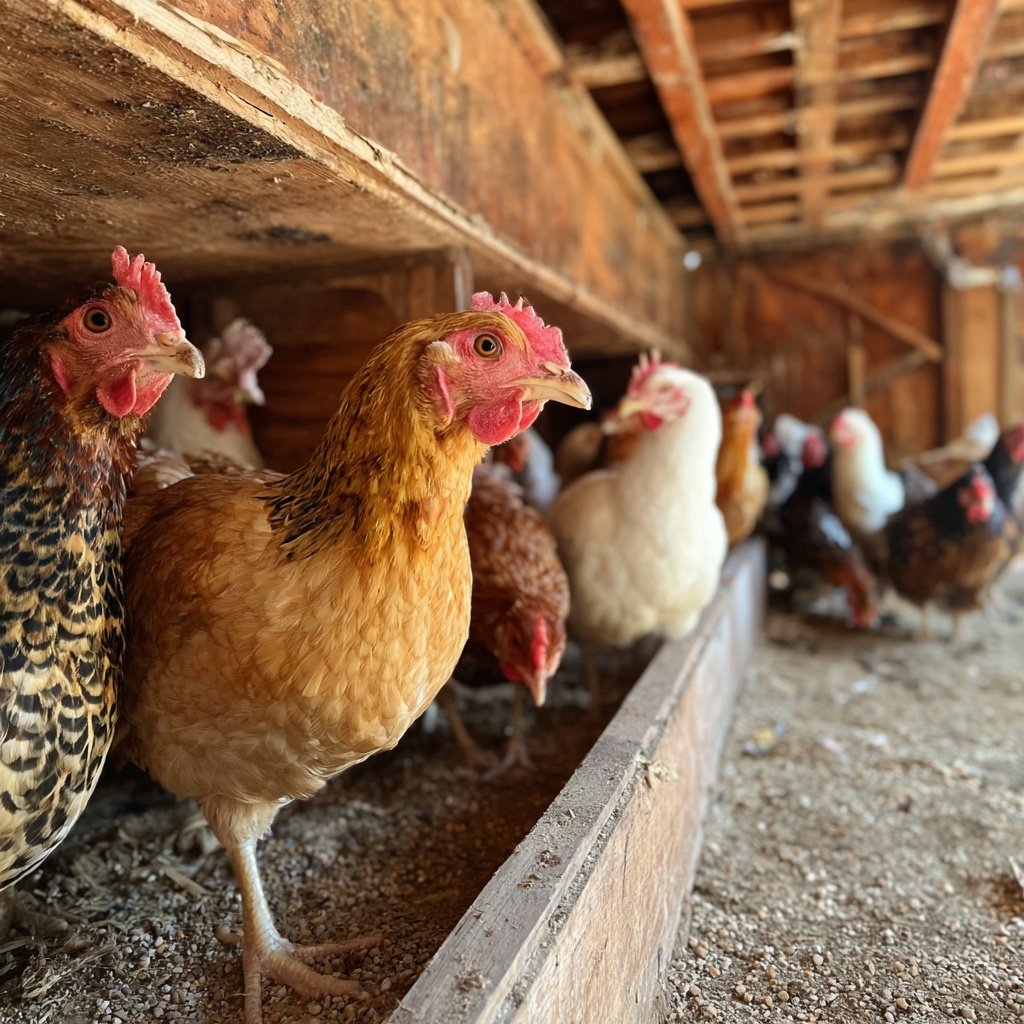
Why You'll Love These Ideas
- Transformative designs that maximize small spaces
- Enhances chicken health with stimulation and exercise
- Easy to implement DIY solutions for every backyard
Maximizing Vertical Space
When constructing your chicken run, remember that vertical space is just as important as the ground area. Using wood pallets, you can build perches or shelves that allow your chickens to explore higher levels. Chickens naturally enjoy roosting, so incorporating multiple perches at varying heights not only provides exercise but also helps reduce stress by giving them a sense of security. Aim for perches that are at least two feet off the ground, and space them around 18 inches apart to accommodate your flock comfortably.
When using vertical gardening techniques, consider adding plants that are safe for chickens to peck at, such as herbs or leafy greens. Not only do these plants provide enrichment, but they also allow your chickens to exhibit foraging behaviors. If you're short on space, vertical garden planters can easily be secured to the walls of your run. Ensure that you choose non-toxic plants and monitor their growth to keep your chickens safe.
Creating a Comfortable Environment
Temperature control is crucial in ensuring the well-being of your chickens. Incorporating shade cloth or tarps into your run design will help keep your chickens cool during hot summer days. Ideally, choose a material that blocks out 50-70% of sunlight while still allowing air to circulate. Position these shaded areas strategically where your chickens tend to congregate, particularly during peak sun hours.
It's just as important to provide bedding that absorbs moisture and reduces odors. Straw or specialized bedding for chickens can help keep their run clean and comfortable. Aim to refresh the bedding regularly—at least once a week, or more frequently in wet conditions—to prevent the buildup of harmful bacteria and parasites. A clean environment will promote healthier chickens and reduce the likelihood of diseases.
Enrichment and Interaction
Adding enrichment elements to your chicken run can significantly enhance your chickens' quality of life. Incorporate nesting boxes and various toys made from natural materials like wood or hay. Chickens love to peck and scratch, so using toys that encourage these behaviors is vital. Hanging treat dispensers filled with grains or vegetables will not only keep them entertained but also help stimulate their foraging instincts.
Consider including obstacle courses made of safe materials. Simple ramps, tunnels, or other features can be built from reclaimed wood or even recycled plastic containers. These structures can be easily changed and customized, promoting different levels of activity that will keep your flock engaged. Regularly changing the layout also provides them with a sense of novelty, encouraging exploration and physical activity.
Ingredients
Materials Needed
- Wood pallets
- Fencing materials
- Nesting boxes
- Perches
- Shade cloth or tarps
- Straw or bedding
Instructions
Plan Your Space
Begin by measuring your backyard area to understand how much space you have available for the chicken run. Create a simple sketch of your layout, taking note of any obstacles.
Build Upward
Utilize vertical space by incorporating shelving or perches. This encourages chickens to explore and use space effectively.
Provide Shade
Ensure your run has shaded areas using shade cloth or tarps. This keeps the chickens cool during hot days and provides a safe retreat.
Incorporate Enrichment
Add nesting boxes, toys, or plants that chickens can interact with. This keeps them engaged and promotes natural behaviors.
Secure the Run
Ensure the run is secured with strong fencing to mitigate any predator threats. Regular checks will help maintain a safe environment.
Pro Tips
- Consider rotating the location of the run every season to give your chickens fresh ground to explore. This also helps with controlling pests and weeds.
Enhancing Security
Security is a paramount consideration when building your chicken run. Always use dense fencing material such as welded wire or hardware cloth, ideally with openings of no more than one inch to prevent predators from reaching in or gaining access. Burying the fencing at least 12 inches underground or using an apron of wire around the perimeter can deter digging predators, providing your flock with a secure environment.
Regularly inspect your run for any potential weaknesses, such as loose fencing or gaps in the structure. Perform maintenance checks every month, and after storms or high winds, as weather conditions can compromise the integrity of your run. Having a secure area will reduce stress for both you and your chickens, giving you peace of mind while they roam.
Seasonal Adaptations
Adjusting your chicken run for the seasons will help maintain the health and happiness of your flock year-round. In winter months, ensure that there are adequate sheltered areas where your chickens can escape the elements. Adding an insulated coop or windbreaks can make a significant difference in their comfort level during colder temperatures.
During rainy seasons, consider adding drainage solutions to avoid muddy, challenging conditions for your chickens. Gravel paths or sloped areas can help divert water away from the run. Use straw as bedding in wet areas to provide traction and comfort. Keeping your chickens comfortable in all seasons is key to maintaining their health and productivity.
Questions About Recipes
→ How much space do chickens need in a run?
Chickens need at least 10 square feet per bird in an outdoor run for optimal space.
→ What are the best materials for building a chicken run?
Wood, chain link fencing, and sturdy mesh are excellent choices to ensure safety.
→ How do I keep my chickens cool in summer?
Provide ample shade, fresh water, and consider using fans or misting systems if feasible.
→ Can I let my chickens free-range?
Yes, but ensure the area is safe from predators, and supervise them to keep them from roaming too far.
Chicken Run Ideas For Small Backyards
Created by: Brianna Tate
Recipe Type: Comfort on a Plate
Skill Level: Beginner
Final Quantity: Variable
What You'll Need
Materials Needed
- Wood pallets
- Fencing materials
- Nesting boxes
- Perches
- Shade cloth or tarps
- Straw or bedding
How-To Steps
Begin by measuring your backyard area to understand how much space you have available for the chicken run. Create a simple sketch of your layout, taking note of any obstacles.
Utilize vertical space by incorporating shelving or perches. This encourages chickens to explore and use space effectively.
Ensure your run has shaded areas using shade cloth or tarps. This keeps the chickens cool during hot days and provides a safe retreat.
Add nesting boxes, toys, or plants that chickens can interact with. This keeps them engaged and promotes natural behaviors.
Ensure the run is secured with strong fencing to mitigate any predator threats. Regular checks will help maintain a safe environment.
Extra Tips
- Consider rotating the location of the run every season to give your chickens fresh ground to explore. This also helps with controlling pests and weeds.